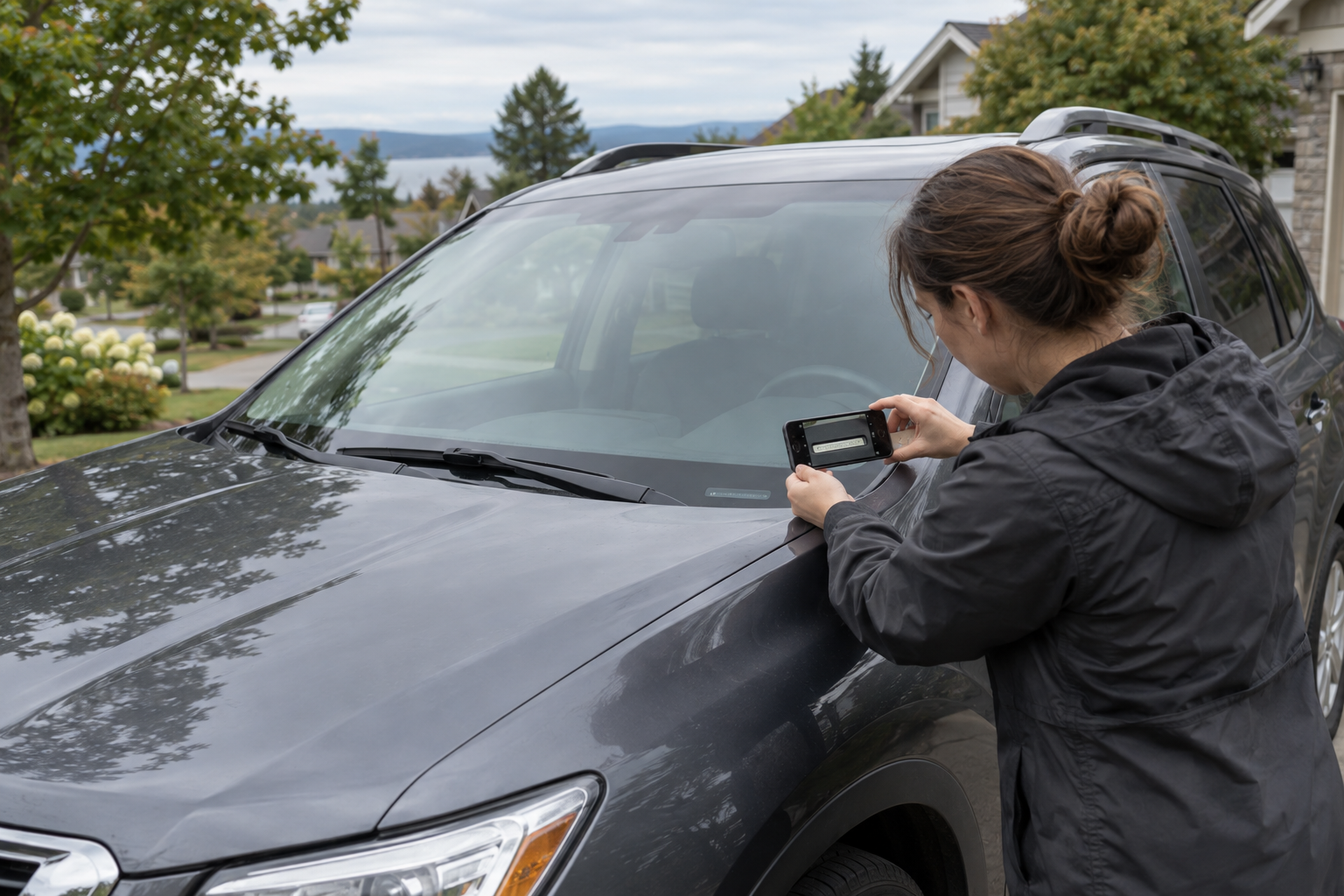
Every seller gets a different answer depending on who they ask. The dealer says one number, an online instant-offer tool says another, and a neighbour who sold a similar truck says a third. None must be lying—they may be describing different values.
After more than 15 years working in finance offices for a large Canadian automotive group, here is what I want every private seller to understand: your vehicle does not have one price. It has three, and the difference can be worth thousands of dollars.
The three real prices of your vehicle
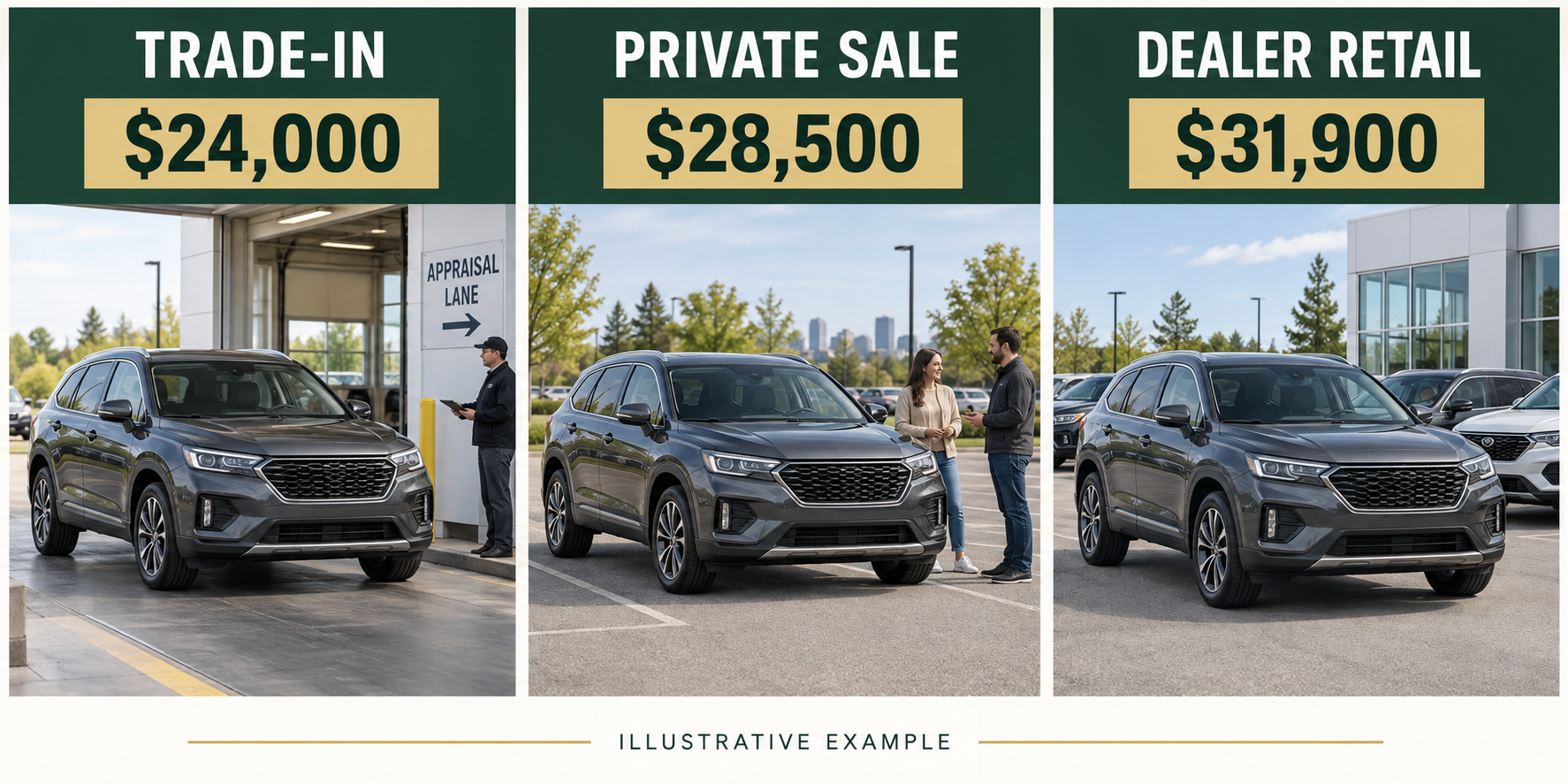
1. Trade-in value
Usually the lowest number, it reflects reconditioning, financing, insurance, marketing, market risk and the margin a dealer needs to resell the vehicle.
2. Private-party market value
What a buyer may pay you directly. It is often higher because there is no dealership layer, but the seller handles the listing, inquiries, viewings, paperwork and safe payment.
3. Dealer retail value
Generally the highest number. It includes inspection, reconditioning, marketing, operating costs, risk and margin, so a private seller should not expect the full dealer-retail figure.
What determines your vehicle's value?
Valuation tools such as Canadian Black Book, Canadian Red Book and Kelley Blue Book Canada are useful starting points. The actual market number is adjusted for the exact vehicle and local demand.
- Make, model, year and trim: factory equipment can move value by thousands.
- Mileage: higher-than-average mileage usually reduces value.
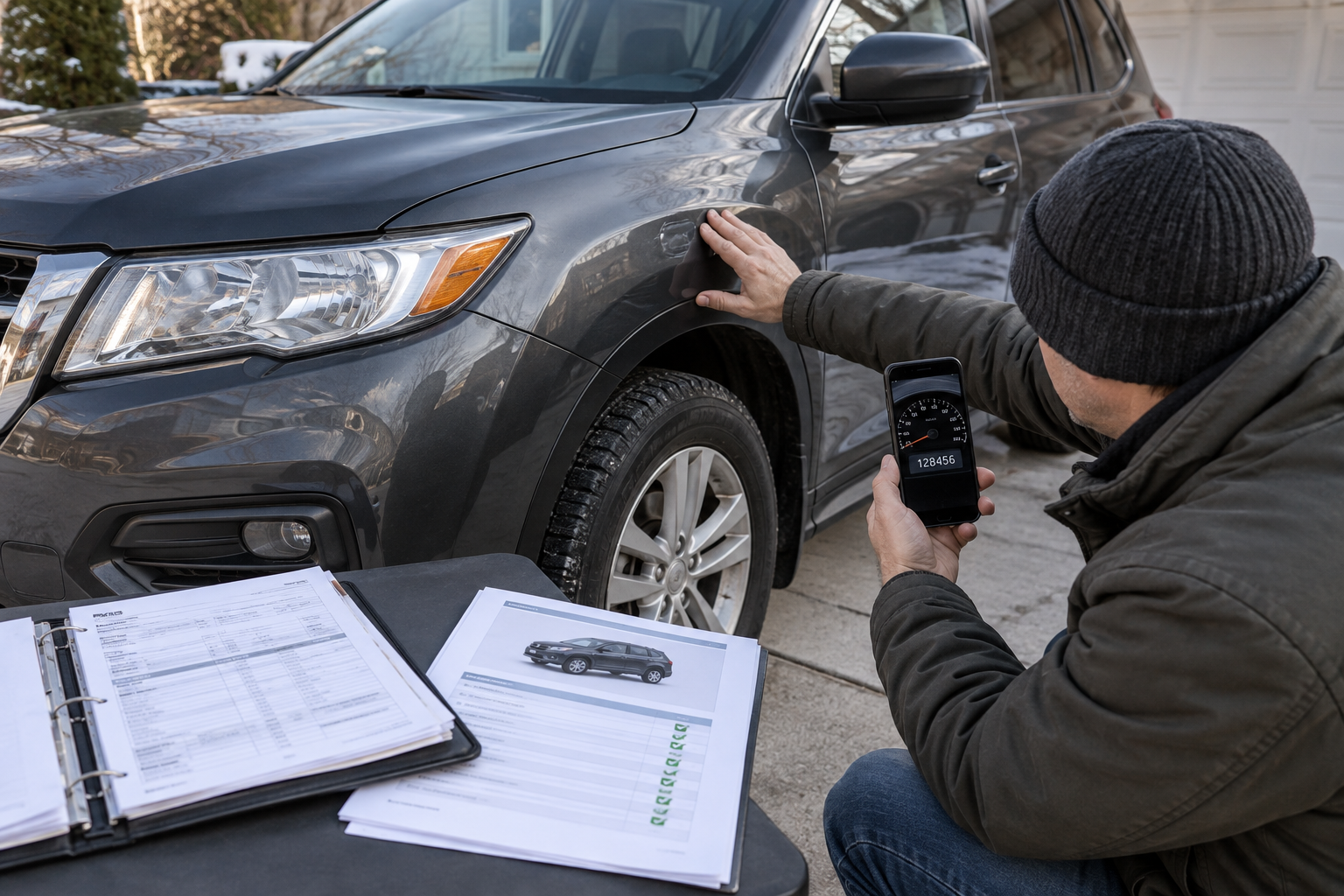
- Condition and history: maintenance, accidents, liens and title status all matter.
- Regional demand: supply, season and location change what buyers will pay.
What does it cost to buy privately in Canada?
Private-sale taxes and registration rules vary by province. In some provinces, tax may use the greater of the declared sale price and an assessed or book value, so the registration cost may not match the amount on the bill of sale.
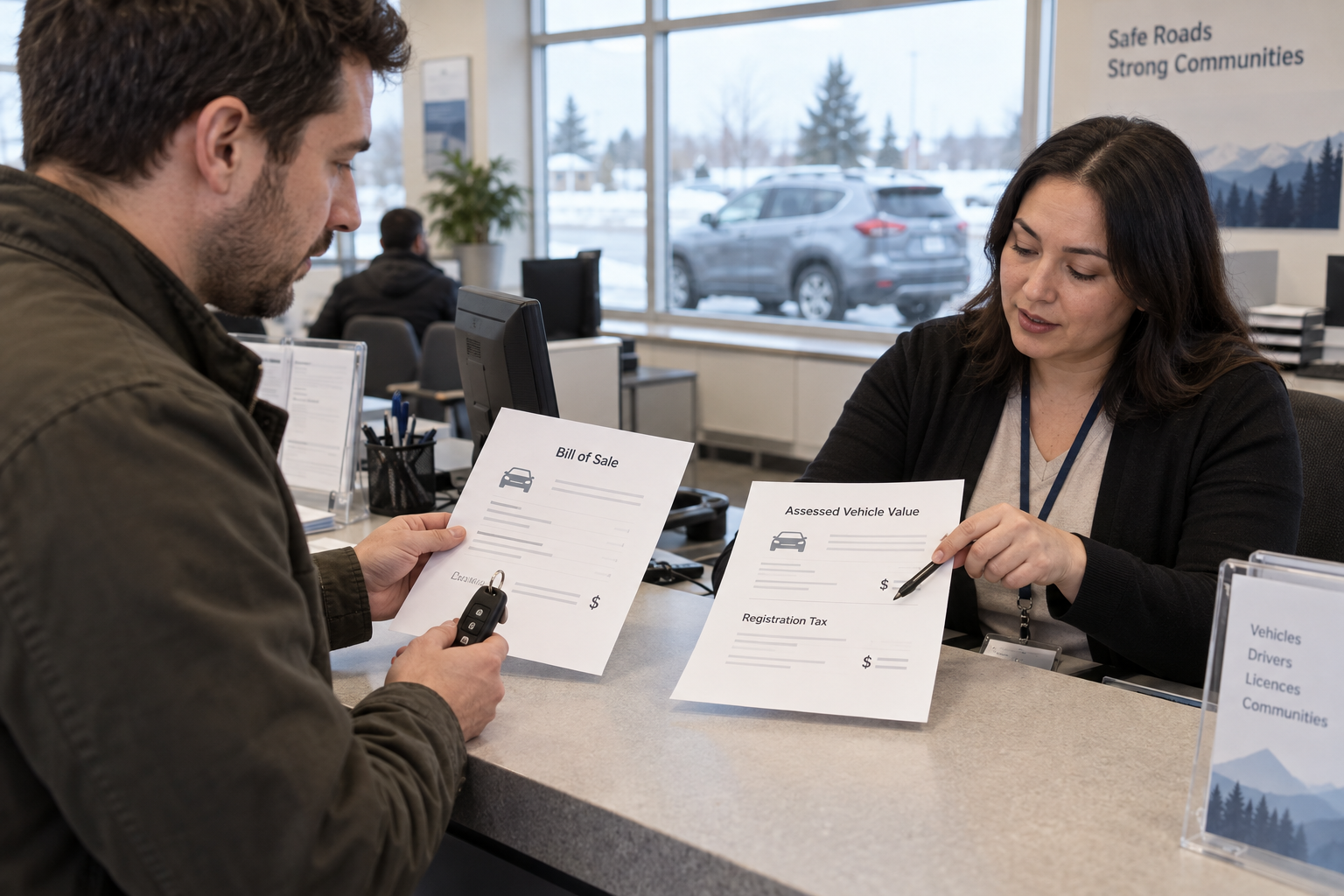
- Alberta: no provincial sales tax, though other transaction requirements still apply.
- Ontario: RST is generally collected at registration using the purchase price or wholesale value, subject to the rules.
- Other provinces: rates, exemptions, appraisals and valuation rules differ; confirm current requirements with the provincial authority.
This article is general information, not tax or legal advice.
What private selling requires
- Verify the VIN on the vehicle and documents.
- Review a current vehicle-history report and check for liens.
- Confirm the buyer's identity and use a traceable, verified payment process.
- Complete provincial sale and transfer documents and keep signed copies.
- Confirm insurance, plates, registration and tax obligations.
SkipTheDealerships.ai helps close this trust gap through VIN-verified listings, identity verification and a structured transaction workflow—without forcing sellers to accept a trade-in price.
Bottom line
Compare a trade-in offer with a realistic private-party range, considering exact trim, mileage, condition, history, regional demand and the buyer's registration costs. A transparent, documented history is one of the strongest tools for supporting your asking price.
Nik Basha is the founder of Drivana Technologies. He spent more than 15 years working inside dealership finance offices before building SkipTheDealerships.ai.
Start your listing